Garage Floor Epoxy Coating Cost: What to Expect
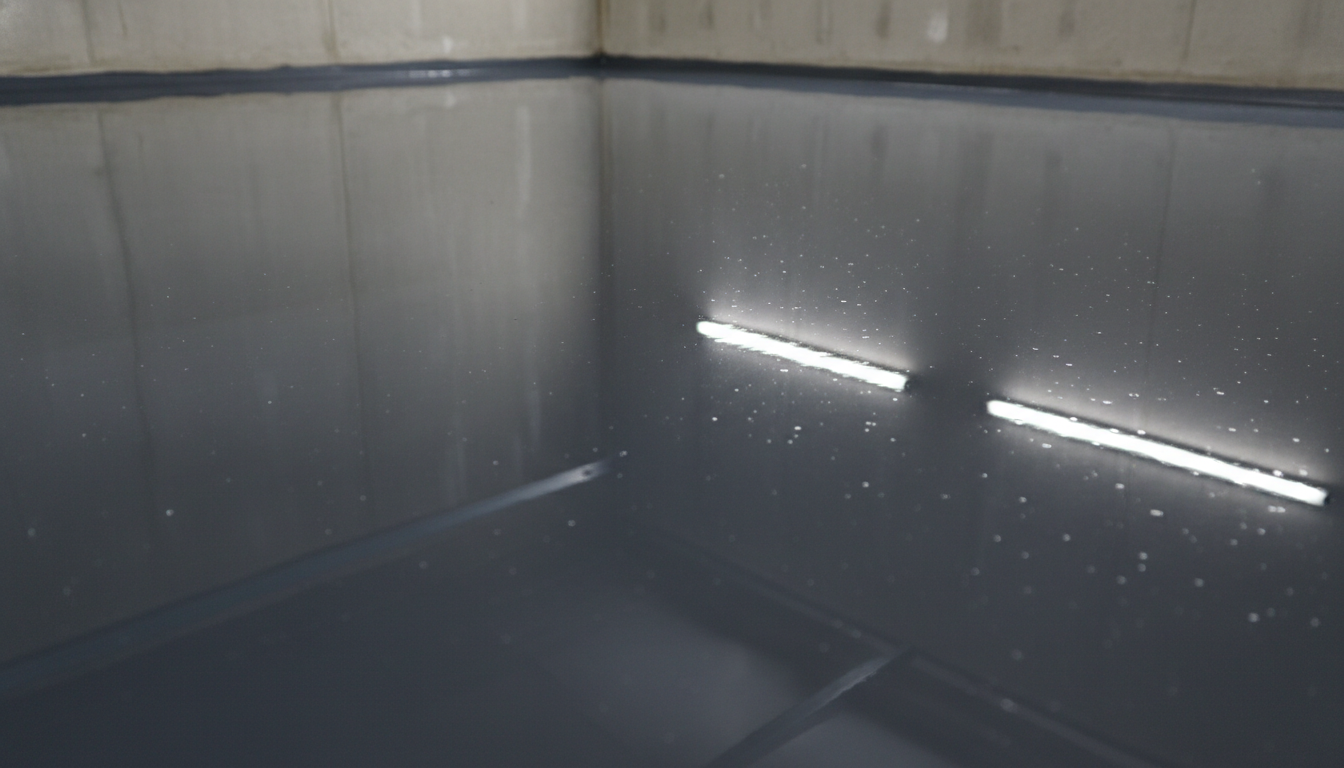
Epoxy garage floor pricing spans a wide range — $3 on the low end for a basic DIY kit, $12 or more per square foot for a professionally installed polyaspartic or flake system. The difference isn’t arbitrary. Prep work, coating type, and labor are the three variables that move the number most.
DIY Epoxy Kits: What You Actually Pay
A standard two-car garage runs about 400–500 square feet. A single-layer water-based epoxy kit from a big-box store — Rust-Oleum RockSolid, Quikrete 1-Part, or the Armor brand systems — typically runs $100–$200 for the full kit. That puts you around $0.25–$0.50 per square foot in materials alone.
The problem with those kits isn’t price — it’s performance. Single-part water-based epoxy is thin (often under 3 mils dry film thickness) and bonds poorly to dense or contaminated concrete. Most failures traced back to peeling start here.
Stepping up to a two-part 100% solids epoxy — ArmorPoxy, Rust-Oleum EpoxyShield Professional, or a commercial product from a coatings supplier — pushes materials cost to $300–$600 for the same 400 sq ft. That’s closer to $0.75–$1.50/sq ft in product only, but you’re getting 8–10 mils of build and far better adhesion.
Add in supplies — acid etch or diamond grinder rental ($60–$150/day), roller covers, mixing paddles, spike shoes, and cleaner — and a well-executed DIY job lands at $2–$4 per square foot total.
Professional Installation: The Real Numbers
Hired out, an epoxy floor coating runs $3–$7 per square foot for a standard broadcast flake system, which is the most common pro install. For a 500 sq ft garage, that’s $1,500–$3,500 depending on your region and the contractor.
What’s included matters. A legitimate pro quote should cover:
- Concrete grinding (not just acid etching)
- Base coat, full broadcast flake layer, and a clear topcoat
- 2–3 years of labor warranty in most cases
Budget quotes under $3/sq ft almost always skip proper mechanical prep. That’s where you get the five-year-old floors that bubble and peel.
High-end installs — metallic epoxy, multi-layer polyaspartic, or quartz broadcast systems — push into $8–$12+ per square foot. A 500 sq ft garage in that tier runs $4,000–$6,000+. Polyaspartic specifically costs more because it cures faster (one-day install), handles UV better than standard epoxy, and uses more expensive chemistry.
The Prep Variable Nobody Talks About Enough
Concrete prep is not optional, and it’s where DIYers most often under-invest. Surface profile is everything — epoxy needs something to bite into.
Acid etching opens up the pores somewhat and works on porous slabs, but it won’t fix laitance (the weak surface layer on many trowel-finished floors) or previous sealer contamination.
Diamond grinding creates a mechanical profile regardless of the slab’s condition. Renting a walk-behind grinder runs $150–$300 per day. Hiring a contractor who owns the equipment builds this into their quote.
If your slab has cracks, spalling, or moisture issues, add another $200–$800 for repair work before any coating goes down. Skipping this doesn’t save money — it just delays the failure.
What Moves the Price Up or Down
Factors that increase cost:
- Larger square footage (linear, but setup costs amortize differently)
- Poor slab condition requiring grinding and patching
- Polyaspartic or polyurea topcoats instead of standard epoxy
- Metallic or custom decorative systems
- Urban labor markets (New York, LA, Chicago add 20–40% to labor)
Factors that bring cost down:
- Simple solid-color single-layer system
- Newer slab in good condition with no contamination
- DIY labor on prep and application
- Rural or lower cost-of-living regions
One underrated cost lever: the topcoat. A base coat of epoxy plus a polyaspartic clear topcoat gives you the durability of polyaspartic without paying for it on every layer. Many pros use this hybrid approach in the $5–$7/sq ft range.
How to Evaluate Contractor Quotes
Three quotes is the minimum. When comparing them, don’t just look at total price — ask specifically:
- How are you prepping the concrete? Grinding is the right answer. Acid-only is a red flag.
- What’s the dry film thickness of the system? Under 10 mils total is thin for a garage floor.
- What’s the topcoat? Epoxy clear, polyaspartic, or polyurea — each has different durability and cost implications.
- What’s covered in the warranty? Some warranties void if you park on the floor within 72 hours or use certain cleaners.
A contractor who can’t answer those questions clearly is telling you something.
DIY vs. Pro: When Each Makes Sense
Go DIY if your slab is in solid shape, you’re willing to rent a grinder, and you’re comfortable with a two-part system. A well-done DIY install with quality materials can last 10+ years.
Hire out if your concrete has significant damage, if you want a decorative flake or metallic system, or if you simply don’t want to manage the process. The cost premium over a quality DIY job is real but not excessive — typically $1,000–$2,000 on a two-car garage.
Bottom line: Budget $2–$4/sq ft for a solid DIY epoxy job or $4–$7/sq ft for a professional flake system. Anything significantly cheaper than those ranges is cutting corners on prep, product quality, or both.