Epoxy vs Polyurea: Best Concrete Floor Coating
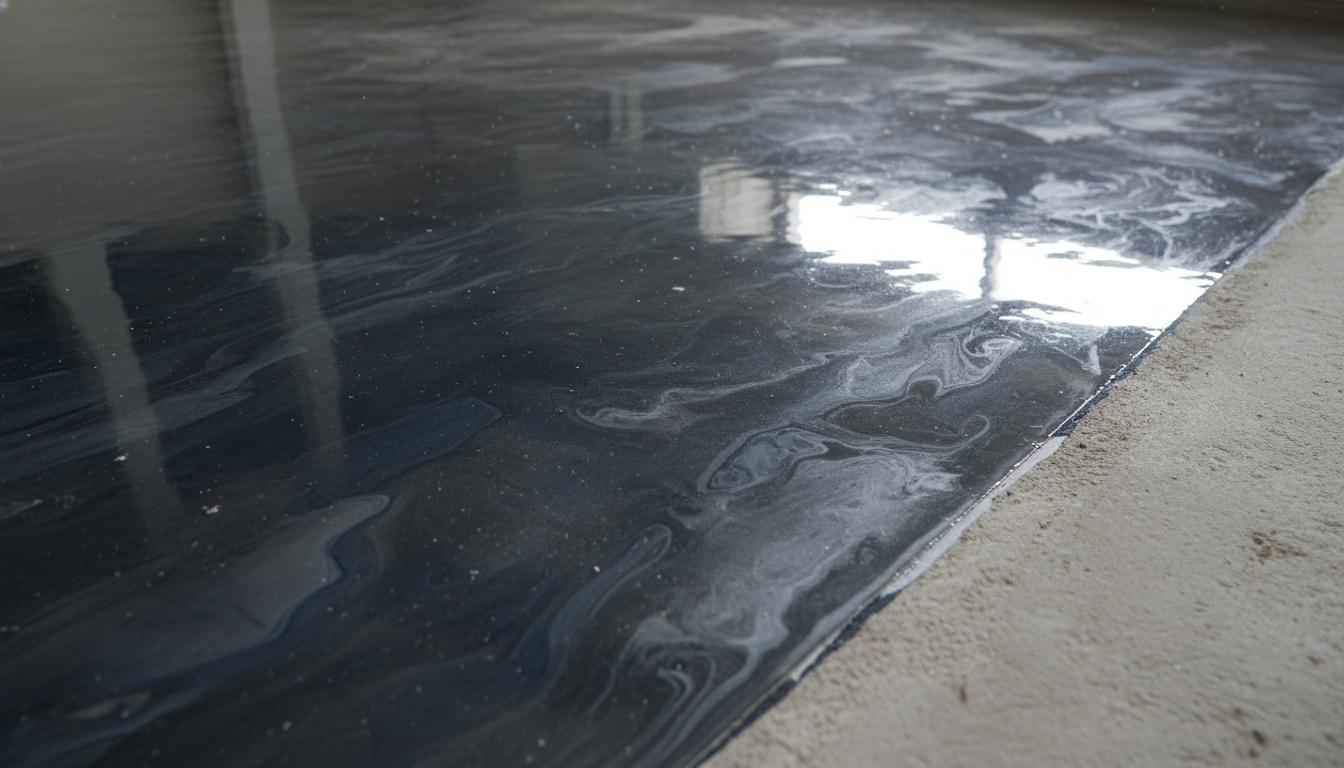
Shoppers comparing epoxy and polyurea usually want one thing: which coating actually holds up, and which one is worth the money. The short answer is polyurea wins on durability and cure time, but epoxy wins on cost and DIY accessibility — and the best choice depends on how you’re using the space.
What Each Coating Actually Is
Epoxy is a two-part system: resin plus hardener. Once mixed, it chemically cross-links into a hard, plastic-like film. Traditional solvent-based and water-based epoxies have been the garage floor standard for decades because they’re widely available, reasonably priced, and forgiving enough for a motivated DIYer.
Polyurea is also a two-part system, but it uses a different chemistry — isocyanate reacts with an amine to form a flexible, extremely tough film. Most consumer-facing “polyurea” products are technically polyurea-polyaspartic hybrids, which gives them the workability needed for hand application while keeping the core performance benefits.
The practical difference: polyurea cures faster (some formulas in 1–4 hours), bonds to slightly damp concrete, handles UV exposure without yellowing, and flexes rather than cracks under thermal stress. Epoxy cures slower (12–24 hours between coats), is more UV-sensitive, and can get brittle in cold garages.
Where Epoxy Still Makes Sense
Cost is the obvious argument. A quality water-based epoxy kit from Rust-Oleum EpoxyShield or Rust-Oleum Rocksolid (which is actually a polyurea-polyaspartic blend, more on that below) runs roughly $100–$200 for a two-car garage. True 100% solids epoxy from a supplier like Epoxy-Coat or ArmorPoxy runs higher but delivers better thickness and adhesion than the big-box water-based stuff.
If your garage stays climate-controlled, doesn’t see heavy vehicle traffic, and you’re primarily after aesthetics — color, chips, a clean look — a well-prepped 100% solids epoxy system will serve you for years. The failure stories people post online almost always trace back to inadequate surface prep, not the epoxy itself.
Epoxy also gives you longer working time. If you’re coating a large floor solo or in warm weather, that open time matters. Polyurea can get ahead of you fast.
Where Polyurea Is Worth the Premium
Heavy vehicle traffic, hot tire pickup, and freeze-thaw cycling in unheated garages are where epoxy consistently falls short. Polyurea’s flexibility means it moves with the concrete slab rather than delaminating when temperatures swing. Hot tires pulling off a fresh epoxy surface is a known failure mode — polyurea handles it better because the film doesn’t soften the same way.
UV stability is the other major win. A polyurea topcoat over an epoxy base (a common professional system) won’t amber or chalk the way straight epoxy does when hit by sunlight through garage windows or open doors.
Scenarios where polyurea is the clear pick:
- Unheated or poorly insulated garages with wide temperature swings
- High-traffic bays where vehicles sit and pull out daily
- Any floor exposed to direct sunlight for more than a couple hours a day
- Commercial or workshop spaces that need same-day return-to-service
Specific Products Worth Considering
Budget DIY — epoxy:
Rust-Oleum EpoxyShield Professional Floor Coating Kit is the most accessible starting point. It’s water-based, so it’s easy to apply, but expect to apply a polyurea topcoat separately if longevity is a priority.
Mid-range DIY — polyurea-polyaspartic hybrid:
Rust-Oleum RockSolid Polycuramine and ArmorPoxy Armor-II are both marketed at DIYers and use polyurea chemistry. RockSolid in particular is heavily marketed for one-day floors and holds up well in real-world reviews for moderate-use garages. Expect to pay $200–$400 for a two-car garage depending on coverage needs.
Professional-grade — full polyurea system:
If you’re hiring a contractor or want a shop-grade floor, a 100% solids polyurea system like those from Penntek or Elite Crete applied over a shot-blasted slab is the current industry benchmark. These run $3–$7 per square foot installed and are warranted against delamination. You won’t be rolling this yourself — it requires specialized plural-component spray equipment.
The Hybrid Approach Most Pros Use
The most common professional system isn’t pure epoxy or pure polyurea — it’s a layered build: 100% solids epoxy as a base coat (for build, adhesion, and chip broadcast), followed by a polyurea or polyaspartic topcoat for UV resistance, chemical resistance, and surface hardness. You get the thickness and economy of epoxy where it’s actually useful, and the surface protection of polyurea where the abuse happens.
If you’re DIYing and want to approximate this, apply a quality 100% solids epoxy base with decorative chips, let it fully cure (72 hours minimum), then roll a single-component polyaspartic topcoat like Rust-Oleum Varathane or a dedicated floor polyaspartic. It’s more work than a one-kit system but meaningfully more durable.
Decision Criteria
- Light use, climate-controlled, tight budget: 100% solids epoxy kit, well-prepped surface
- Moderate use, occasional temperature swings: polyurea-polyaspartic hybrid kit (RockSolid, ArmorPoxy)
- Heavy use, unheated, or commercial: professional polyurea system or the epoxy-base/polyurea-topcoat hybrid
Bottom line: Polyurea is the better coating in almost every performance category — but it’s overkill for a low-traffic hobby garage, and the DIY versions are less forgiving to apply. Match the system to the actual demands of the space, and whatever you choose, prep the concrete properly or nothing else matters.