Epoxy Garage Floor Coating: Hire Out or DIY?
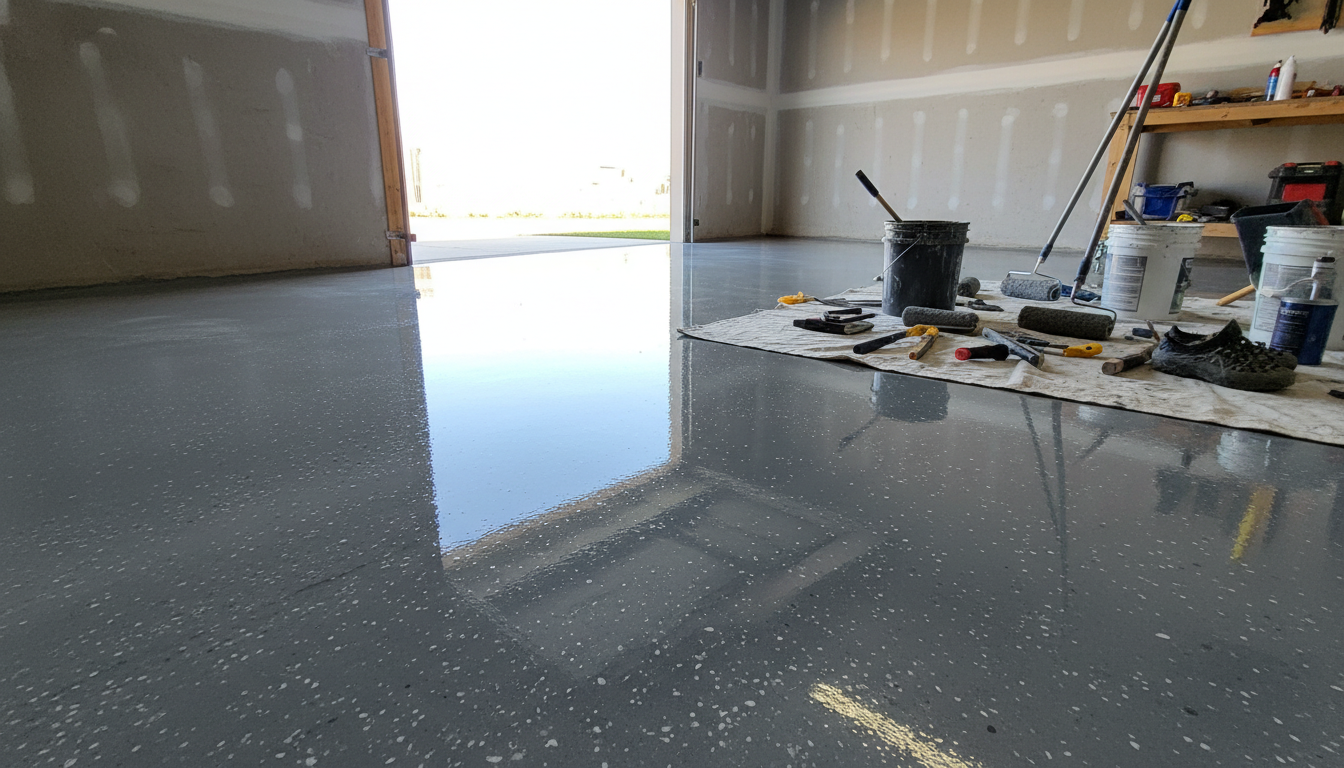
Most people searching for a local epoxy coating service are trying to decide between hiring a pro and doing it themselves. The honest answer: both routes work, but they’re not interchangeable. Here’s how to figure out which fits your situation, and how to avoid wasting money either way.
What “Near Me” Actually Gets You
Local epoxy contractors fall into two categories. The first is dedicated flooring companies that specialize in polyurea, polyaspartic, or epoxy systems. The second is general handymen or painters who offer floor coating as a side service. The quality gap between those two groups is significant.
Dedicated installers use commercial-grade equipment (floor grinders, vapor barriers, multi-coat systems) and typically back their work with a warranty. Handymen often use the same box-store kits you could apply yourself, but charge labor on top. Before you call anyone, ask whether they own a diamond-grind prep machine. If they rent or skip prep entirely, find someone else.
Franchise networks like Garage Living and Tailored Living operate in most metro areas and use consistent installation standards. They’re not cheap, but they’re predictable. Independent contractors can be excellent and cost less per square foot, but you’ll need to vet them harder.
What Professional Installation Costs
For a standard two-car garage (roughly 400-500 sq ft), expect to pay $1,500–$3,500 for a full epoxy system from a reputable installer. Polyaspartic or polyurea upgrades push that to $3,000–$6,000. Those prices include surface grinding, base coat, broadcast flake or quartz, and a topcoat.
Quotes below $1,000 for a full garage are a red flag. At that price point, the installer is almost certainly skipping mechanical prep or using thin single-coat coverage that won’t last more than a season or two.
Get at least three quotes. Ask each contractor specifically what prep method they use, how many coats they apply, and what the topcoat product is. Vague answers (“we use the best stuff”) aren’t answers.
When DIY Makes More Sense
If your garage floor is in reasonable shape, no active moisture problems, no heavy cracking, DIY is genuinely viable. The material cost runs $200–$600 for a two-car garage depending on the system.
Rust-Oleum EpoxyShield 2-Part Garage Floor Coating is the most widely used entry-level kit. It’s water-based, easy to apply, and holds up reasonably well under normal vehicle traffic. Reviewers on Home Depot and Amazon consistently note that proper acid etching before application is the single biggest factor in adhesion.
For something closer to a professional result, ArmorPoxy Floor Kit and Kilz 1-Part Epoxy Acrylic are both worth considering. ArmorPoxy ships direct and offers solvent-based 2-part systems that outperform most big-box options. The 1-part Kilz is more of a paint than a true epoxy, but it’s simple and forgiving on older concrete.
The main DIY risk is moisture. If your slab has any vapor transmission, the coating will delaminate regardless of how carefully you apply it. A simple plastic sheet test (tape a 12-inch square to the floor, leave it 24 hours, check for condensation underneath) tells you quickly whether moisture is a problem.
How to Find a Reputable Local Contractor
Start with Google reviews, but look specifically at photos of finished floors and any responses to negative reviews. A contractor who handles complaints professionally is more trustworthy than one with a perfect score and no detail.
Angi (formerly Angie’s List) and HomeAdvisor both have epoxy flooring categories with verified license checks in most states. Not a guarantee of quality, but it filters out the worst actors. The National Tile Contractors Association and similar trade groups don’t certify epoxy contractors specifically, so don’t expect formal credentials.
Ask for two or three references from jobs completed at least 18 months ago. Recent installs look fine. You want to know what the floor looks like after a couple of winters and a few thousand tire cycles.
Product to Have on Hand Either Way
Whether you hire out or go DIY, keeping Rust-Oleum EpoxyShield Patch and Repair on hand is smart. Concrete cracks, and a small crack caught early costs almost nothing to fix. Left alone, it turns into a bigger problem that contractors charge real money to address.
If you’re doing a full DIY project, also budget for a floor buffer or rental angle grinder. Hand-sanding works for small areas but won’t open up the concrete pores adequately on a full slab.
Bottom line: Search for local pros if your slab has damage, active moisture, or you just want a result that looks genuinely polished. Go DIY if the floor is structurally sound and you’re willing to spend a weekend doing prep correctly. The coating itself is the easy part. Prep is where both pros and DIYers either succeed or fail.
Where to Buy
- Rust-Oleum EpoxyShield 2-Part Garage Floor Coating
- ArmorPoxy Floor Kit
- Kilz 1-Part Epoxy Acrylic Floor Paint
- Rust-Oleum EpoxyShield Patch and Repair
- Garage Living epoxy floor kit