Epoxy vs Polyurea: Best Concrete Floor Coating Picks
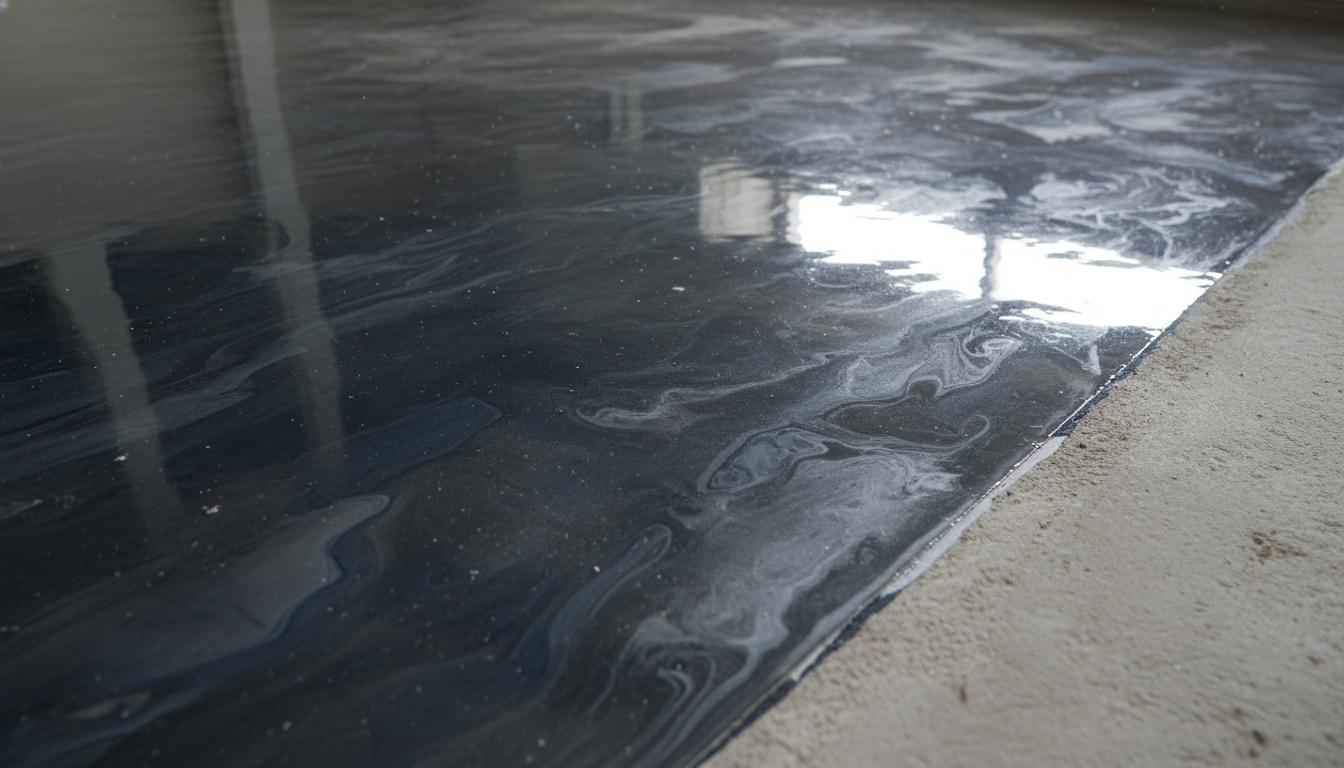
Epoxy and polyurea both get slapped with the label “best garage floor coating,” but they’re not interchangeable. Epoxy is thicker, cheaper, and more forgiving to apply — polyurea cures faster, handles temperature extremes better, and costs more. Which one belongs in your garage depends on how you weigh those tradeoffs.
What Actually Separates Them
Epoxy is a two-part coating — resin plus hardener — that forms a dense, high-build film. Most DIY kits land between 2–4 mils dry film thickness. It bonds well to properly prepped concrete and handles moderate chemical exposure without issue.
Polyurea is a more flexible polymer that cures in minutes rather than hours. It resists UV yellowing better than standard epoxy, stays workable at low temps (some formulas down to 0°F), and reaches full cure in under 24 hours. The catch: you have shorter open time, which punishes first-timers.
The short version — epoxy is easier to apply correctly; polyurea performs better long-term if you get it right.
Where Epoxy Still Wins
Cost is the clearest advantage. A solid 100% solids epoxy kit for a 2-car garage runs $150–$300 depending on the brand. Rust-Oleum EpoxyShield Premium sits at the accessible end and handles most residential garages fine. It’s not a professional-grade product, but it’s applied successfully by thousands of homeowners every year.
Pot life is the other win. Epoxy gives you 20–40 minutes of working time, which lets you work in sections without rushing. If you’re new to coatings, that window matters.
For basements and interior slabs that won’t see direct sun, moisture, or extreme cold, epoxy is often the smarter spend. Just prep the concrete properly — grind or acid-etch, fill cracks, and let the slab dry — and a quality epoxy holds up for years.
Where Polyurea Pulls Ahead
UV stability is the headline. Epoxy yellows in direct sunlight within a few years. If your garage door stays open in the afternoon and that south-facing slab bakes, you’ll see it. Polyurea doesn’t have that problem. It stays color-consistent much longer.
Flexibility matters too. Concrete moves — seasonal expansion and contraction, minor settling. Polyurea flexes with it. Epoxy, being more rigid, can crack or delaminate when the slab shifts. In colder climates with real freeze-thaw cycles, that distinction is meaningful.
Cure time is the practical kicker. Polyurea is often walkable in 1–2 hours and ready for vehicle traffic in 24 hours. Epoxy typically needs 24 hours before foot traffic and 72 hours before parking a car on it. If you can’t vacate your garage for three days, that’s a real consideration.
ArmorPoxy ArmorUltra is a well-regarded polyurea option that ships in DIY-friendly kits. Professionals often use spray-applied 100% polyurea systems that are harder to DIY but significantly more durable.
The Hybrid Option: Epoxy Base + Polyurea Topcoat
This is what most professional floor coating systems actually use. A high-build epoxy base coat provides good adhesion and fills the concrete’s porosity. A polyurea or polyaspartic topcoat goes over it for UV resistance, abrasion resistance, and a hard finish.
Rust-Oleum RockSolid Polycuramine is a popular DIY hybrid that uses a modified urethane chemistry — not a true polyurea, but it performs closer to polyurea than standard epoxy. It’s harder to apply than EpoxyShield but more durable.
If you’re hiring a contractor, ask specifically whether they’re doing a broadcast system with a polyaspartic topcoat. That’s the current professional standard and worth paying for over a single-stage epoxy.
Decision Criteria
Use this to decide:
- DIY, budget under $200, interior slab → 100% solids epoxy like Rust-Oleum EpoxyShield Premium
- DIY, willing to spend $300–$500, want better durability → Hybrid like Rust-Oleum RockSolid Polycuramine
- Sun-exposed slab, cold climate, or fast-cure needed → Polyurea topcoat system; consider ArmorPoxy ArmorUltra or hire a pro
- Hiring a contractor → Specify a 100% solids epoxy base + polyaspartic topcoat, minimum 30 mils total
Concrete prep is the variable that outweighs all of this. The best polyurea over unprepped concrete fails faster than budget epoxy over a properly ground slab.
Bottom line: For most DIYers, a 100% solids epoxy or polycuramine hybrid is the right call — easier to apply, lower cost, and genuinely durable when the slab is prepped correctly. Polyurea earns its premium in sun-exposed, high-traffic, or cold-climate situations where epoxy’s limitations actually show up.