Garage Floor Epoxy Coating Cost: What to Budget in 2026
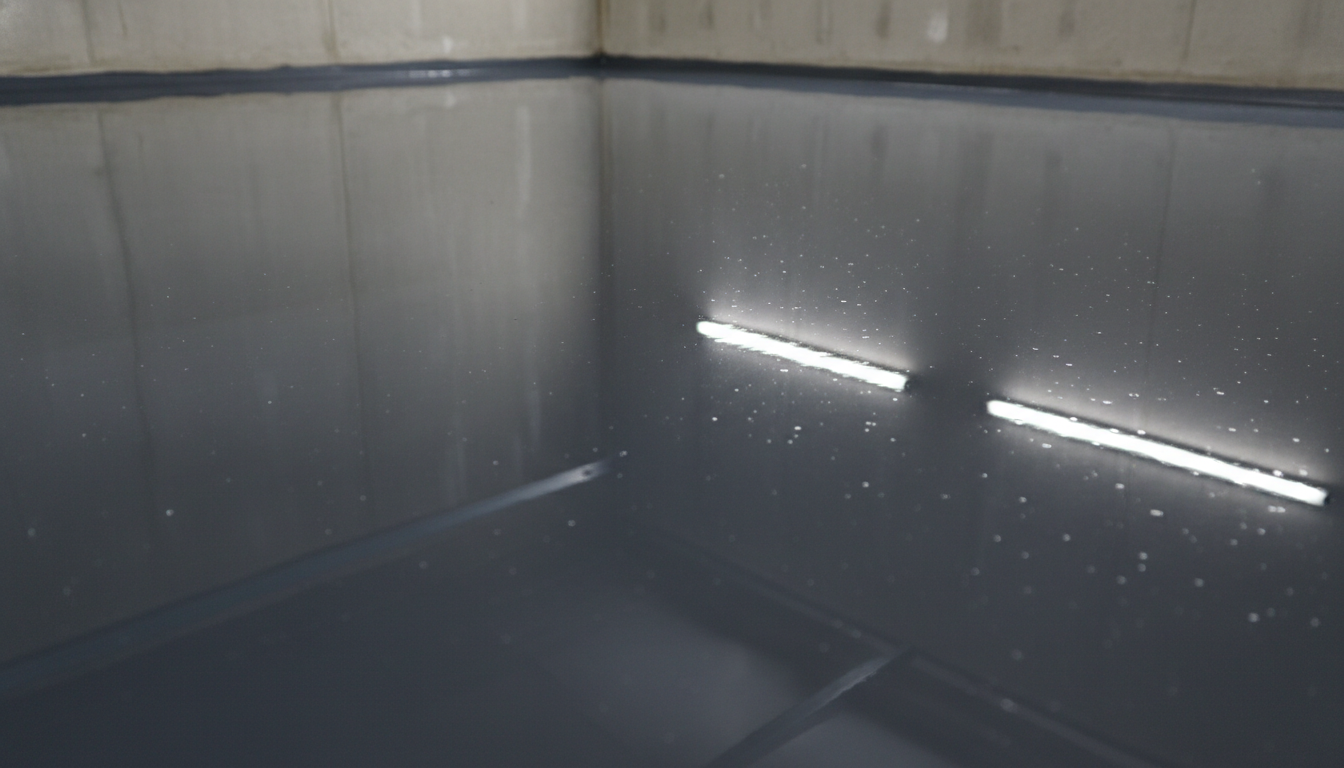
Epoxy coating costs vary wildly depending on whether you DIY it or hire out, what product you choose, and the condition of your concrete. The honest range: $300–$600 for a DIY two-car garage, or $1,500–$3,500 for professional installation of the same space. Here’s what actually moves that number.
DIY Material Costs
For a standard two-car garage (roughly 400–500 sq ft), expect to spend $150–$400 on materials alone if you go the DIY route. That breaks down into a few line items.
The epoxy kit itself is the biggest spend. A water-based 1-part epoxy like Rust-Oleum EpoxyShield 2-Part Kit runs around $80–$120 for a single-car coverage area. For a two-car garage with a proper topcoat, double that. Solvent-based or 100% solids systems cost more—closer to $200–$350 for materials—but deliver better durability and chemical resistance.
You also need prep supplies: a concrete etching solution or diamond grinder rental ($40–$80/day), roller covers rated for epoxy (standard ones dissolve), painter’s tape, and a degreaser. Budget $50–$100 for ancillary supplies if your floor is in decent shape, more if you have cracks or oil stains to address first.
Rough DIY cost breakdown for a 400 sq ft garage:
- Epoxy kit (2-part): $150–$250
- Topcoat/sealer: $60–$100
- Prep materials and tools: $50–$100
- Optional decorative flake: $20–$40
- Total: $280–$490
Professional Installation Costs
Pros typically charge $3–$7 per square foot for a standard epoxy coating, with polyurea or polyaspartic systems pushing $8–$12 per square foot. On a 500 sq ft garage, that’s $1,500–$6,000 depending on the system.
What’s included in that price matters. Budget contractors often spray a thin water-based coat with minimal prep—that’s how you get a floor that peels in 18 months. Reputable installers will grind the concrete, fill cracks, apply a primer coat, a broadcast coat with flake, and a clear topcoat. Get quotes that spell out each step.
Polyurea coatings (what most “professional” garage floor companies now install) cost more but cure in a few hours and hold up better to hot tire pickup and UV exposure. If a pro is quoting you $2–$3/sq ft, they’re cutting corners somewhere—likely on prep or product thickness.
What Drives the Price Up
A few factors can push your project well past the baseline estimates.
Concrete condition is the biggest variable. Significant cracking, spalling, or previous coatings that need removal add $200–$800 to a professional job. DIY, this means more time and rental equipment.
Square footage and layout matters. Oddly shaped garages with lots of tight corners, floor drains to cut around, or multiple floor levels take longer to prep and coat.
System type changes costs substantially:
- 1-part water-based epoxy (DIY): lowest cost, lowest durability
- 2-part 100% solids epoxy: mid-range cost, good durability
- Polyurea/polyaspartic (pro): highest cost, best durability and turnaround
Color and decorative flake adds minimal cost—usually $0.25–$0.75/sq ft more—but dramatically affects the final look. Full broadcast flake hides imperfections better than a solid color.
Where DIY Makes Sense vs. Hiring Out
DIY is worth it if your concrete is in good shape, you’re comfortable with surface prep (this is where most failures happen), and you want a functional floor, not a showroom finish. A Rust-Oleum EpoxyShield 2-Part Kit applied correctly over properly etched concrete will last 5–8 years with basic care.
Hire a pro if your concrete has significant damage, you want a polyurea system (hard to DIY reliably), or you’re selling the home and want the floor to photograph well. The labor premium is real, but a quality pro installation outlasts most DIY work by years.
One middle-ground option: buy a contractor-grade kit like ArmorPoxy ArmorFloor or TotalBoat TotalTread and do it yourself with industrial-grade materials. You get closer to pro results without pro prices.
Hidden Costs to Plan For
A few line items catch DIYers off guard.
Moisture testing is free to do yourself (tape plastic sheeting to the floor for 24 hours and check for condensation), but if you have moisture issues, you need a moisture-blocking primer—add $60–$120. Skipping this step causes delamination.
Ventilation matters too. Solvent-based epoxies require serious airflow; rental fans or respirators add $20–$50 to your project.
Finally, topcoats extend the life of any epoxy system substantially. Many budget kits skip this, but adding a dedicated urethane or polyurea topcoat ($60–$150 for a two-car garage) is worth every dollar.
Bottom line: For most homeowners, a quality DIY epoxy job on a 400–500 sq ft garage runs $350–$500 in materials. Professional work on the same floor runs $1,800–$3,000 for a system worth having. The prep work—not the epoxy itself—is what determines whether either option lasts.
Where to buy
- Rust-Oleum EpoxyShield 2-Part Kit
- Concrete etching solution
- ArmorPoxy ArmorFloor
- TotalBoat TotalTread