Best Garage Floor Mats: How to Pick the Right One
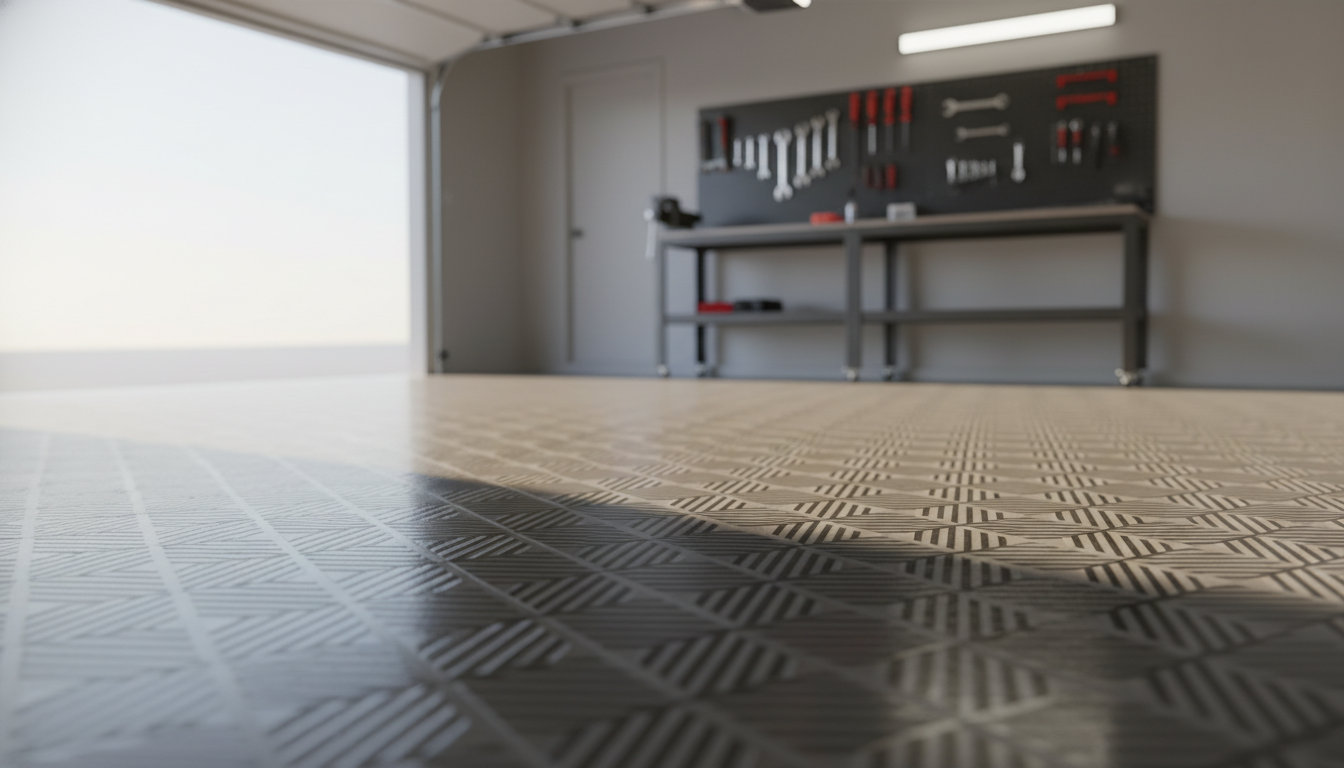
Garage floor mats get lumped together as a category, but a parking mat for a daily driver is a completely different product from a foam anti-fatigue mat for a workshop bench. Getting the wrong type means either overspending or ending up with something that curls at the edges after six months. Here’s how to sort through the options and land on the right pick.
The Main Types and What They’re Actually For
Parking mats (containment mats) catch drips, road grime, and tracked-in moisture from vehicles. They’re large, usually 7.5 x 20 feet or bigger, and made from vinyl or polyester with a waterproof backing. The RV Super Center Parking Mat is a popular choice in this category because it’s lightweight, ships rolled up, and holds up reasonably well against oil spotting.
Interlocking tiles are modular, made from rubber or PVC, and let you cover the full floor or just specific zones. They’re more of a semi-permanent solution and a good bridge between bare concrete and a full epoxy coating.
Anti-fatigue mats serve a different purpose entirely. If you stand at a workbench for hours, a 3/4-inch thick rubber or foam mat reduces strain on your knees and lower back. These are typically 2 x 3 feet or 3 x 5 feet and aren’t meant to cover parking areas.
Runner mats go in high-traffic corridors or entry points. Thin, inexpensive, and often ribbed for traction.
Key Specs to Compare Before Buying
Thickness matters most for comfort and durability. Anti-fatigue mats under 1/2 inch compress quickly and lose their cushioning within a year of regular use. For parking mats, thickness correlates with puncture resistance from jack stands and debris.
Material determines chemical resistance. Vinyl handles water well but degrades faster with prolonged oil exposure. Nitrile rubber handles petroleum products much better and is the right call if your garage sees regular fluid changes or spills. PVC tiles fall in between.
Size and coverage area. Measure your parking space before ordering. Most single-car containment mats run around 7.5 x 17 feet or 7.5 x 20 feet. Two-car setups need mats in the 16 x 20-foot range or paired tiles.
Beveled edges vs. Straight edges. Straight-edged mats trip people and roll up under tire pressure. Look for mats with ramped or beveled perimeters, especially for parking applications.
Specific Products Worth Considering
For full parking coverage, the Armor All Garage Floor Mat shows up consistently in buyer reviews for being easy to unroll, holding its shape in cold weather, and offering a clean look. It’s not a heavy-duty mat, but for everyday use it covers the basics.
If you want something tougher, Swisstrax Ribtrax Pro tiles are a step up. They’re polypropylene, drain well, and resist most garage chemicals. Installation is a snap-together system with no adhesive needed. The main downside is cost: full coverage runs significantly more than a rolled mat, and you’ll need edge pieces to avoid a tripping hazard.
For workshop anti-fatigue use, GelPro Elite mats have a strong reputation for long-term cushioning retention. Most foam-only mats flatten out within a year. The gel-foam hybrid holds up better under sustained daily standing.
Rubber stall mats from agricultural suppliers (often sold in 4 x 6-foot sections, 3/4 inch thick) are a budget workhorse that the DIY community has used for decades. Heavy (around 100 lbs per mat) and not glamorous, but indestructible and resistant to oil, gas, and most solvents.
Cold Weather and Chemical Resistance
In climates with hard winters, mat performance shifts. PVC gets stiff and brittle below freezing. Rubber, especially nitrile, stays flexible. If your garage isn’t climate controlled and you’re in a cold-weather region, rubber is the safer material choice.
Road salt and deicers are harder on mats than most people expect. Vinyl containment mats that handle summer drips fine can crack or discolor after a season of salt-saturated runoff. Look for mats explicitly rated for salt exposure, or plan to replace vinyl mats every few years if you’re in a snow belt.
What to Skip
Cheap foam puzzle tiles (the kind sold at big-box stores in multipacks) are fine for kids’ playrooms. In a garage, they absorb oil, deteriorate under UV from open doors, and break apart at the seams. They’re not worth the hassle.
Carpet-based garage mats trap moisture under the pile and create mold problems on concrete. Unless you’re creating a very specific display area, skip carpet entirely.
Bottom Line
For most garages, a nitrile rubber containment mat or a set of interlocking polypropylene tiles covers 90% of use cases. If workshop standing comfort is the priority, add a gel-foam anti-fatigue mat at the bench. Match the material to your climate and the type of abuse the mat will take, and you won’t need to replace it for years.
Where to buy
- RV Super Center Parking Mat
- Armor All Garage Floor Mat
- Swisstrax Ribtrax Pro tiles
- GelPro Elite mats